The engine is out

image

The F355 is in for it’s annual service and this one will require an engine out and belt change amongst many other things. As you can see above, indeed the engine is now out.
image

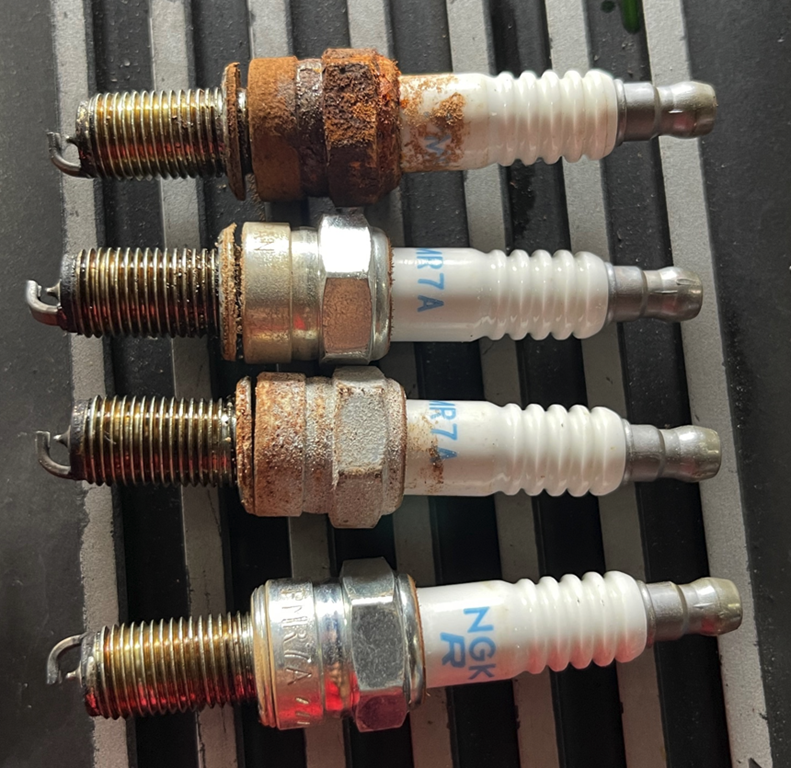
Interestingly, there is some major corrosion present on the outside parts of the plugs as you can see above for cylinders 1 – 4
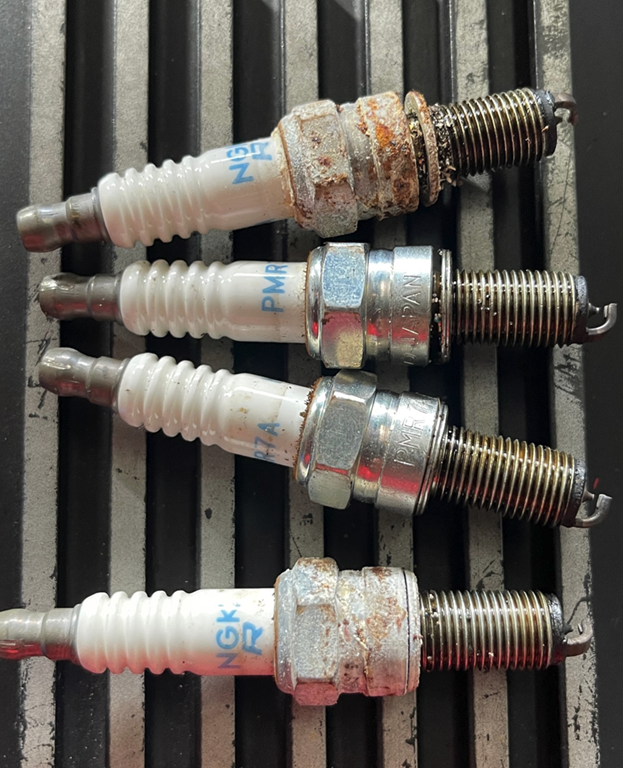
image

and cylinders 5 – 8, above. This is strange given that the corrosion is on the part of the plugs that is outside the cylinder! It is also interesting that two plugs on either side are largely unaffected while two others are quite corroded. The part that goes inside the cylinder is fine. This kind of suggests that somehow water has been trapped in and around the plugs for some reason.

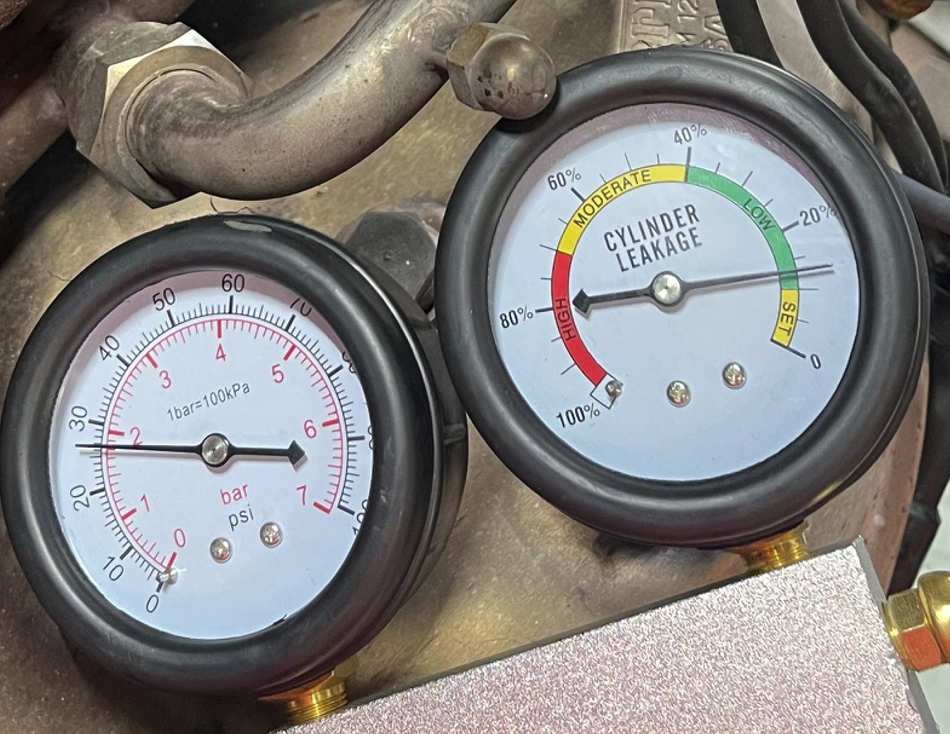
Next was a leak down test on all the cylinders.
image

Most of cylinder are good, like above, except:

image

Cylinder 4 at 30% and

image

and Cylinder 3 also at 30%.

This is a loss of power in those cylinders and is typically caused by wear on the valve guides. Getting that fixed is a major job for the future but it good to have these readings as a benchmark.
image

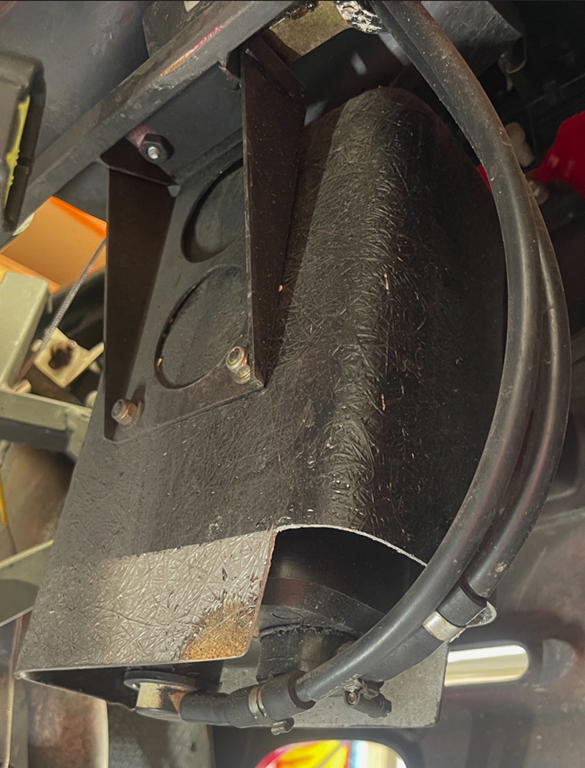
No signs of issues with the evap system but got a replacement charcoal cannister just in case.

Still more work to be done but the corrosion on the spark plugs is a bit of a mystery and the valve guides will need replacing down the track as well.

Let’s wait and see what else is found.
Solving the ‘chugs’

I’ve been battling a ‘chugging’ issue at warm start up now for almost 12 months, without a great deal of success. The last episode was:

It’s still an issue

After all the engine checks, by two mechanics, i still get the issue. Not all the time, but often enough to be really annoying. Problem is, I can’t replicate it on demand. That makes it extremely tough to troubleshoot.

After the engine check failed to resolve the issue completely, the focus turned to perhaps the problems being related to the third party alarm I have. As I understand things, the 2.7 355’s didn’t come with a factory alarm, while the 5.2’s did.

So I got a clever auto electrician/alarm guy to have a look and he is very confident that it is not the alarm. However, he said that it sounds like the evap system to him!

image

image

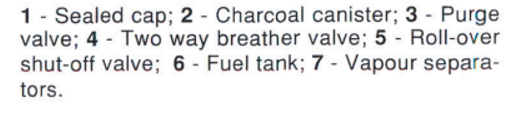
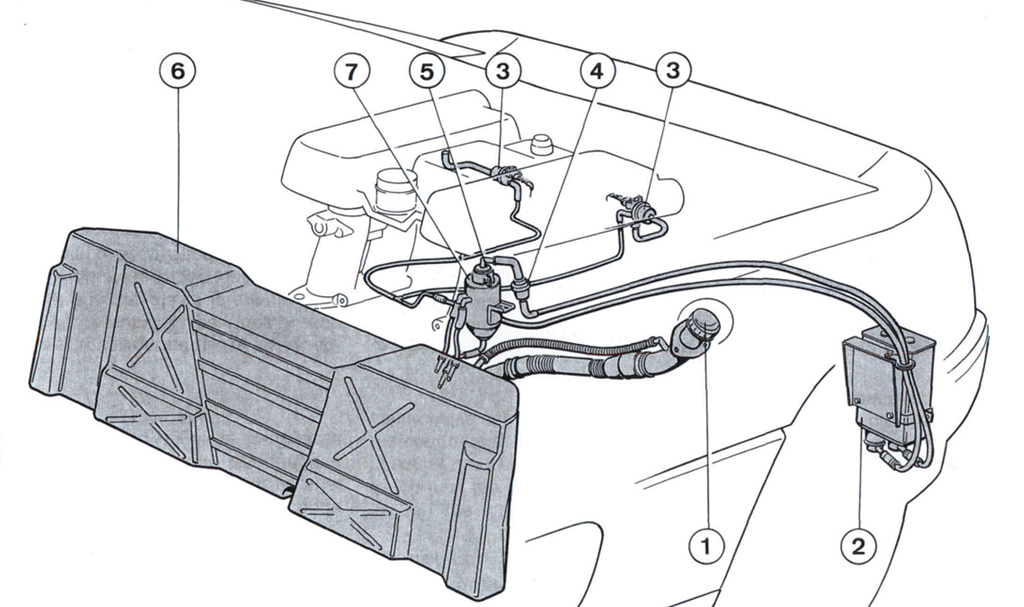
The evap system is designed to capture fuel vapour and store it in a charcoal canister to be burnt off later. As you can see from the above diagram, the system has 2 x solenoids, 2 x valves, hoses and the charcoal canister.

image

image

Looking at my car I see:

image

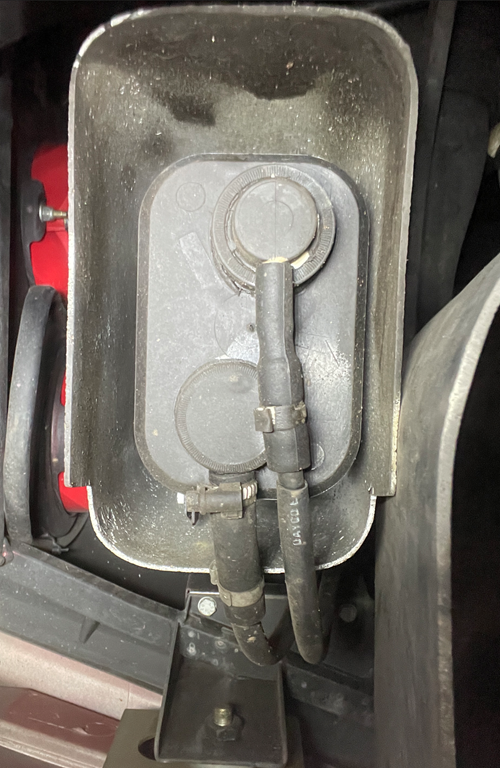
The vapour separator,

image

image

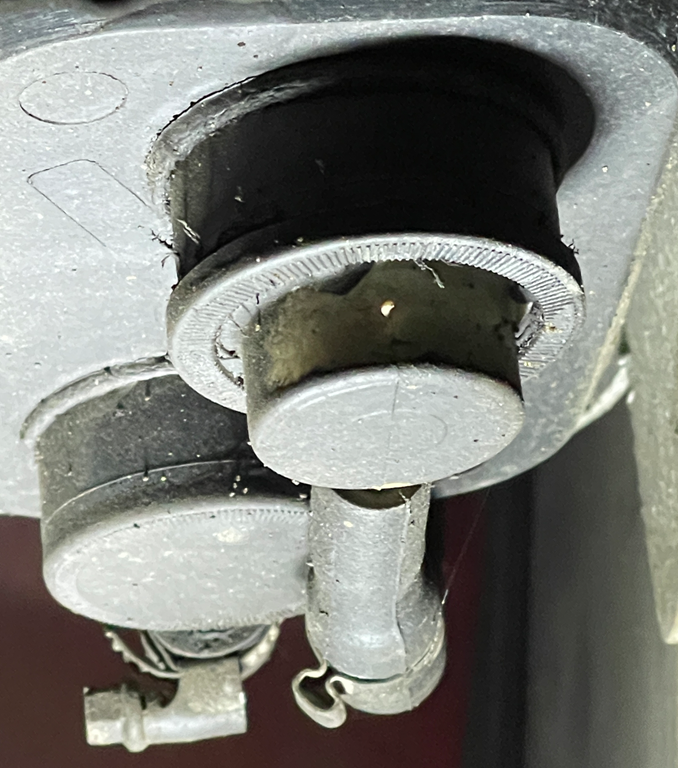
and the bottom of the charcoal canister, which all look good visually. The charcoal canister is housed inside a fibreglass housing.

The suggestion is that if the ‘chugs’ re-appear I should stop the car, take the fuel cap off to let the pressure equalise, restart the car and see if the ‘chugs’ are still evident. If so, that kind of confirms that I have an evap issue.

Typically, the ‘chugs’ only happen after I have been for a long drive, fill the car with fuel and then try and restart it. I’ve had the ‘chugs’ return after paying for fuel and also when I put the car away. The only real commonality is the car needs to be warm for the ‘chugs’ to appear.

Armed with this new method of dealing with the ‘chugs’, of course, nothing happened on my drive and refuel today. However, at least I’m now armed with a simple action that may over come the issue. If that in fact does, then looks like I need to focus my attention on the evap system to find the source of the issue.

Until that happens and I can confirm that it is indeed the evap system causing my issue, I’ll continue to reach troubleshooting techniques. Interestingly, I can’t find a lot about this issue on the Internet. It does seem to be something rare, but then my mother always told me I was special!